How to Use Credit Cards Carefully

Credit cards are one of the most convenient financial tools available today. They help users make purchases easily, earn rewards, build credit history, and handle emergency expenses. However, careless credit card usage can lead to debt, high interest payments, and a poor credit score.

Using a credit card wisely is essential for maintaining good financial health. In this guide by LoanzaaBlogs, we will explain how to use credit cards carefully, avoid common mistakes, and maximize the benefits of responsible credit card usage.
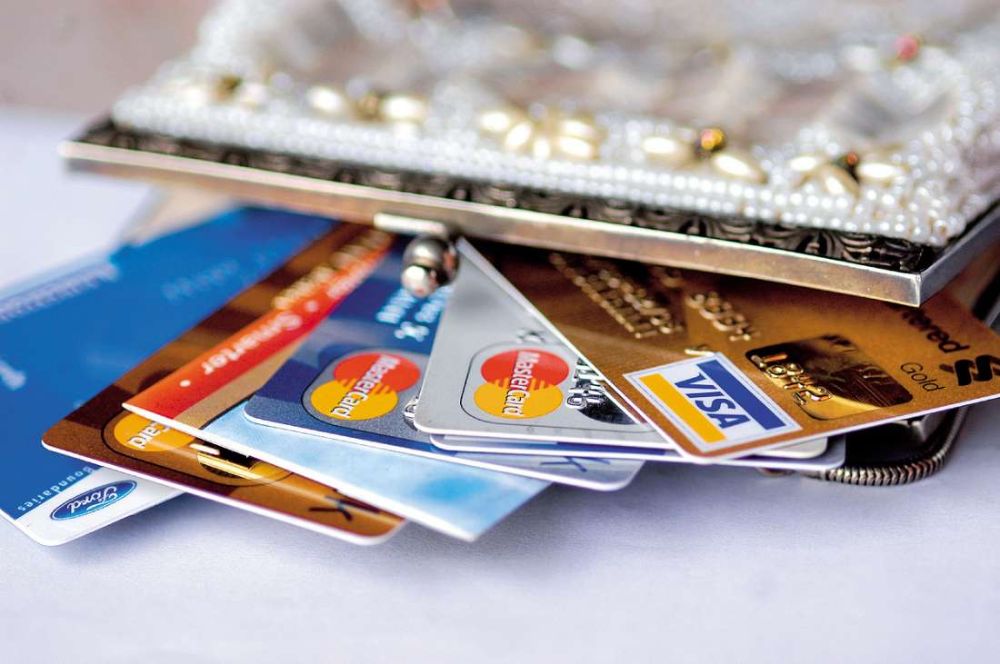
What is a Credit Card?

A credit card is a financial tool issued by banks or financial institutions that allows users to borrow money up to a certain limit for purchases, bill payments, and online transactions.

Unlike debit cards, where money is deducted directly from your bank account, credit cards let you borrow first and repay later.

Benefits of Using Credit Cards

When used responsibly, credit cards offer several advantages:

Convenient Payments

Credit cards make online and offline payments quick and easy.

Rewards and Cashback

Many credit cards provide:

  • Cashback offers
  • Reward points
  • Travel benefits
  • Discounts on shopping and dining

Builds Credit Score

Responsible usage and timely payments help improve your credit score.

Emergency Financial Support

Credit cards can help during unexpected expenses when immediate cash is unavailable.

EMI Conversion

Large purchases can often be converted into affordable monthly installments.

Why Careful Credit Card Usage is Important

Improper use of credit cards can create financial problems such as:

  • High-interest debt
  • Late payment charges
  • Reduced credit score
  • Financial stress
  • Overspending habits

Understanding how to manage your credit card properly can protect your finances and improve long-term financial stability.

Common Credit Card Mistakes to Avoid

Maxing Out the Credit Limit

Using your entire limit can hurt your credit score and increase repayment pressure.

Missing Due Dates

Even one missed payment can negatively affect your financial profile.

Applying for Too Many Cards

Multiple applications within a short period can reduce your credit score.

Ignoring Hidden Charges

Always read terms and conditions carefully.

Depending Completely on Credit

Avoid relying on credit cards for daily living expenses.

How Credit Cards Affect Your Credit Score

Your credit score depends on several factors:

  • Payment history
  • Credit utilization
  • Length of credit history
  • Number of credit inquiries
  • Existing debts

Responsible credit card use can gradually improve your financial reputation.

Smart Habits for Responsible Credit Card Usage

  • Pay bills in full every month
  • Maintain low balances
  • Use cards only for planned expenses
  • Keep track of spending
  • Avoid unnecessary debt
  • Use rewards carefully

Good financial habits help maintain long-term financial security.

Advantages of Responsible Credit Card Usage

  • Improved credit score
  • Better loan eligibility
  • Financial flexibility
  • Reward benefits
  • Easier online transactions

Disadvantages of Careless Credit Card Usage

  • High-interest debt
  • Poor credit history
  • Financial stress
  • Overspending problems
  • Penalty charges

Final Thoughts

Credit cards can be extremely useful when managed responsibly. They offer convenience, rewards, and financial flexibility, but careless usage can quickly lead to debt and credit problems.

The key to using credit cards carefully is disciplined spending, timely bill payments, and understanding your financial limits. By building healthy credit habits today, you can improve your financial future and enjoy the benefits of credit cards without unnecessary stress.

At LoanzaaBlogs, we aim to provide practical financial guidance to help readers make smarter money decisions.

Frequently Asked Questions (FAQs)

Is it good to use a credit card every month?

Yes, regular and responsible use helps build a positive credit history.

What happens if I miss a credit card payment?

You may face late fees, higher interest charges, and a lower credit score.

What is the ideal credit utilization ratio?

Experts recommend keeping utilization below 30% of your total limit.

Can using a credit card improve my credit score?

Yes, timely payments and low balances can improve your score over time.

Should I have multiple credit cards?

Having multiple cards is fine if managed responsibly, but avoid excessive applications and overspending.


How to Get a Loan with Bad Credit

How to Get a Loan with Bad Credit – Smart Solutions for Borrowers with Low Credit Scores

Having a low credit score can make borrowing money feel stressful, but getting approved for a loan is still possible. Many lenders today offer flexible loan options for people with bad credit histories. Whether you need money for emergency expenses, medical bills, debt consolidation, education, or home repairs, there are ways to improve your chances of loan approval.

In this guide by LoanzaaBlogs, we will explain how to get a loan with bad credit, the types of loans available, tips to improve approval chances, and mistakes to avoid.

What is Considered Bad Credit?

A credit score is a number that represents your financial reliability. In most cases:

  • 750 and above – Excellent credit
  • 700 – 749 – Good credit
  • 650 – 699 – Fair credit
  • Below 650 – Bad credit

A low credit score may happen because of:

  • Missed EMI or credit card payments
  • Loan defaults
  • High credit card usage
  • Multiple loan applications
  • Lack of credit history

Even with a low score, many lenders consider other factors like your income, employment status, and repayment ability.

Can You Really Get a Loan with Bad Credit?

Yes, you can. While traditional banks may have strict approval policies, several financial institutions, NBFCs, and online lenders provide loans for individuals with poor credit.

However, the loan may come with:

  • Higher interest rates
  • Lower loan amounts
  • Shorter repayment periods
  • Additional verification requirements

The key is to choose the right lender and prepare your application carefully.

Types of Loans Available for Bad Credit

1. Personal Loans

Personal loans are one of the most common options for borrowers with bad credit. These loans can be used for:

  • Medical emergencies
  • Wedding expenses
  • Education
  • Travel
  • Debt consolidation

Some online lenders specialize in personal loans for low-credit borrowers.

2. Secured Loans

A secured loan requires collateral such as:

  • Gold
  • Fixed deposits
  • Property
  • Vehicle

Because the lender has security, approval chances are usually higher.

3. Gold Loans

Gold loans are easy to obtain because your gold acts as collateral. These loans often have:

  • Quick approval
  • Minimal documentation
  • Lower interest rates compared to unsecured loans

4. Payday or Short-Term Loans

These are small loans designed for urgent expenses. While approval is easier, interest rates can be very high, so borrowers should use them carefully.

5. Peer-to-Peer (P2P) Loans

P2P platforms connect borrowers directly with investors. Approval may depend more on your income and repayment ability rather than only your credit score.

Steps to Get a Loan with Bad Credit

Check Your Credit Report

Before applying, review your credit report carefully.

Look for:

  • Incorrect information
  • Duplicate accounts
  • Unpaid dues you may have forgotten

Correcting errors can improve your credit score.

Compare Different Lenders

Not all lenders have the same requirements. Compare:

  • Interest rates
  • Processing fees
  • Repayment tenure
  • Eligibility criteria

Online comparison can help you find the best option.

Apply for a Smaller Loan Amount

If your credit score is low, applying for a smaller loan may improve approval chances.

Show Stable Income

Lenders want confidence that you can repay the loan. A stable salary or business income increases trust.

Add a Co-Applicant or Guarantor

A co-applicant with a strong credit profile can increase your approval chances and may also help you get better interest rates.

Choose Secured Loans When Possible

Providing collateral reduces the lender’s risk and improves approval possibilities.

Documents Usually Required

Most lenders ask for the following documents:

  • Aadhaar Card
  • PAN Card
  • Address proof
  • Salary slips or income proof
  • Bank statements
  • Passport-size photographs

Self-employed applicants may also need:

  • GST details
  • Business proof
  • ITR documents

Tips to Improve Loan Approval Chances

Pay Existing EMIs on Time

Timely payments help rebuild your credit score.

Reduce Credit Card Usage

Try to keep your credit utilization below 30%.

Avoid Multiple Loan Applications

Applying repeatedly within a short period can lower your score further.

Maintain Stable Employment

Lenders prefer applicants with stable jobs or businesses.

Build a Positive Credit History

Using a secured credit card responsibly can gradually improve your score.

Common Mistakes to Avoid

  • Applying for loans without checking eligibility
  • Ignoring hidden charges
  • Borrowing more than needed
  • Missing repayment deadlines
  • Falling for fraudulent loan offers

Always verify the lender before sharing personal documents or paying advance fees.

Advantages of Bad Credit Loans

  • Access to emergency funds
  • Opportunity to rebuild credit score
  • Flexible loan options
  • Quick online application process

Disadvantages of Bad Credit Loans

  • Higher interest rates
  • Strict repayment terms
  • Risk of debt trap if not managed properly

Borrow only what you can comfortably repay.

Final Thoughts

Getting a loan with bad credit may seem difficult, but it is achievable with proper planning and smart financial decisions. Comparing lenders, improving your repayment history, choosing the right loan type, and maintaining stable income can greatly improve your chances of approval.

Before taking any loan, carefully review the interest rate, repayment terms, and total borrowing cost. Responsible borrowing today can also help improve your credit score for future financial needs.

At LoanzaaBlogs, we aim to provide simple and reliable financial guidance to help you make informed borrowing decisions.

Frequently Asked Questions (FAQs)

Can I get a personal loan with a credit score below 600?

Yes, some lenders and NBFCs offer loans to borrowers with low credit scores, especially if they have stable income.

Will applying for multiple loans hurt my credit score?

Yes, multiple applications within a short period can negatively affect your score.

Are secured loans easier to get with bad credit?

Yes, secured loans usually have higher approval chances because they involve collateral.

Can a guarantor help me get approved?

Yes, adding a guarantor or co-applicant with good credit can improve your chances.

How can I improve my credit score quickly?

Pay EMIs on time, reduce credit card usage, and avoid unnecessary loan applications.